Who washes what
Every on-premises laundry runs on the same physics. What changes is the goods, the soil, the schedule, and the building. For each application: the laundry challenge, what matters in the machine, and the equipment type we would start from.
A-01 / Hotels, resorts, spas
Hospitality
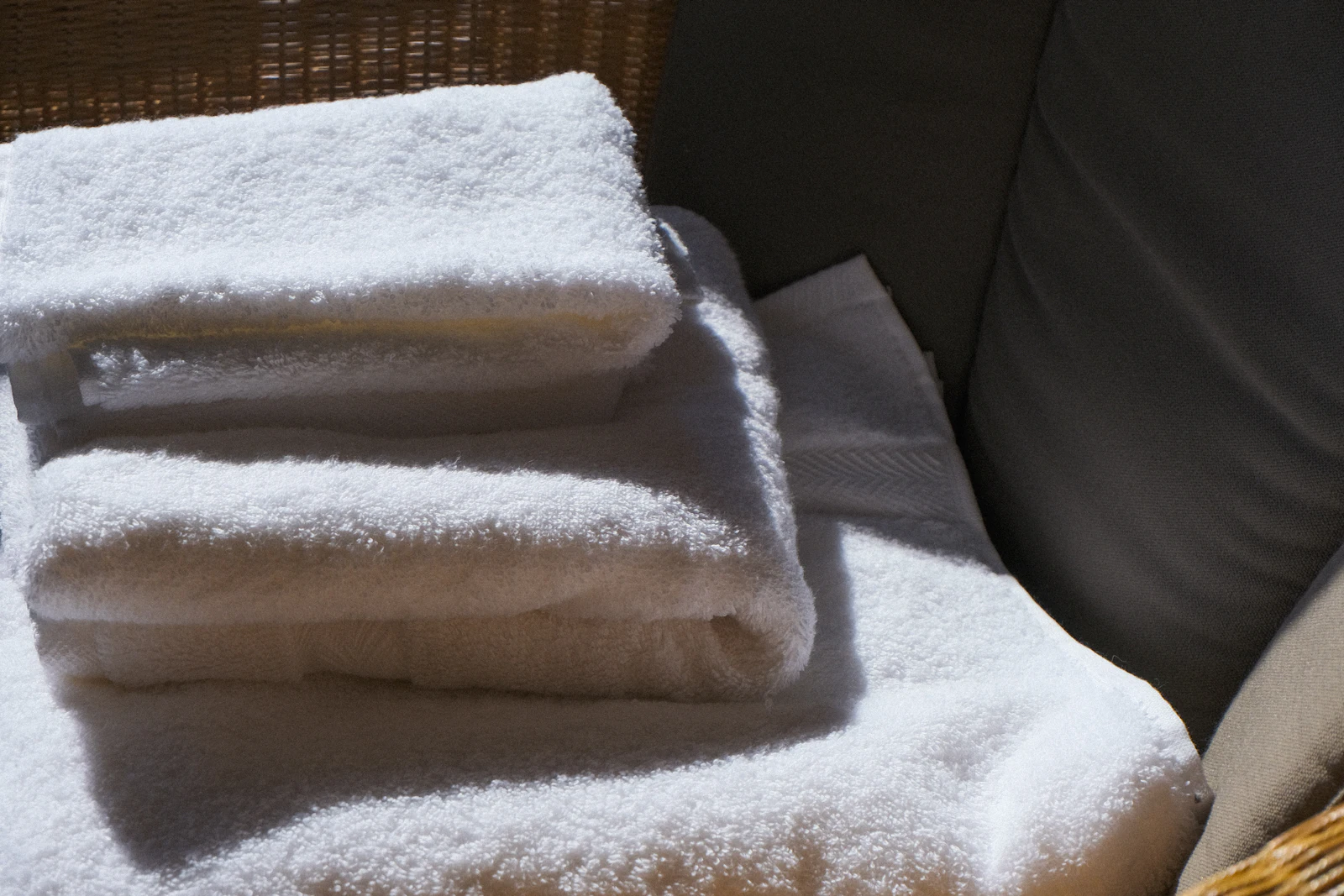
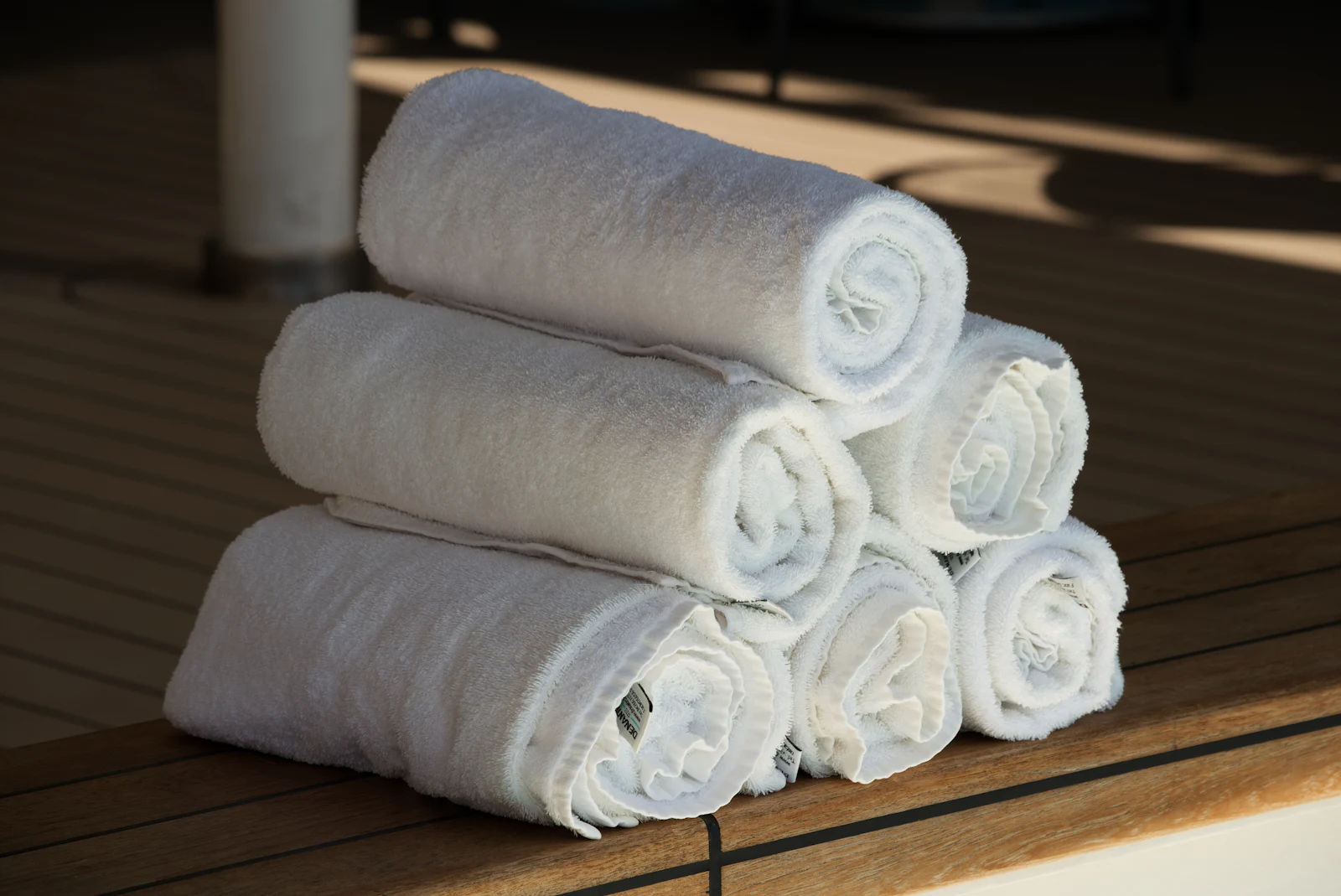
Sheets, pillowcases, and towels every day, with a rush after checkout.
The laundry challenge
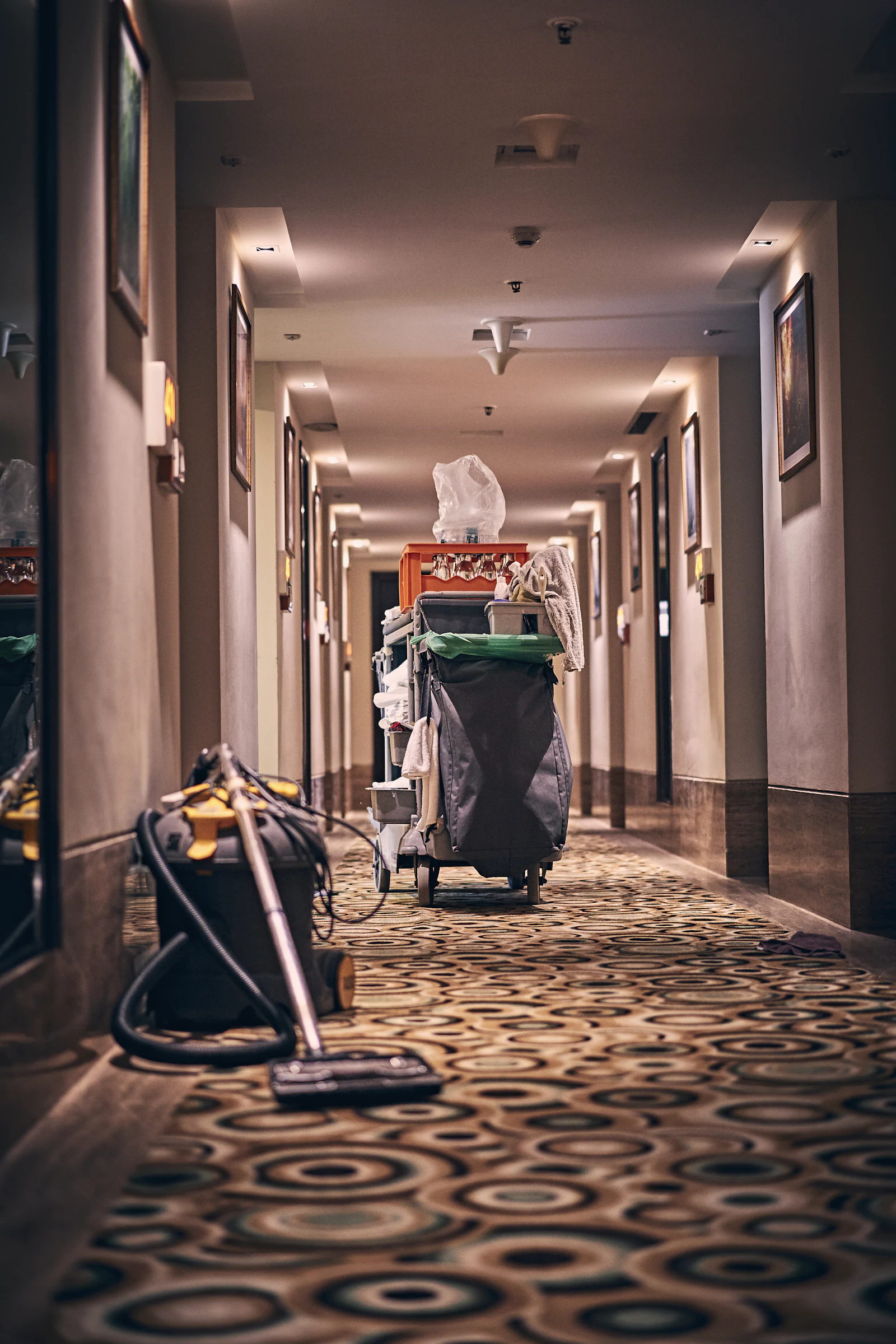
Volume follows occupancy, and most of it arrives at once. Terry is heavy and slow to dry, so the dryers often become the bottleneck. Many hotel laundries sit in basements or above ground floors, where there is no room for a foundation.
What matters in the machine
High extraction to cut dryer time on terry. Separate formulas for flat linen and terry. Dosing that handles stains such as makeup and food. Quiet, low-vibration running in occupied buildings.
Suggested equipment type
Soft-mount washer-extractors, with capacity split across at least two machines so one can be serviced while the other runs.
A-02 / Hospitals, clinics, senior living
Healthcare and senior living
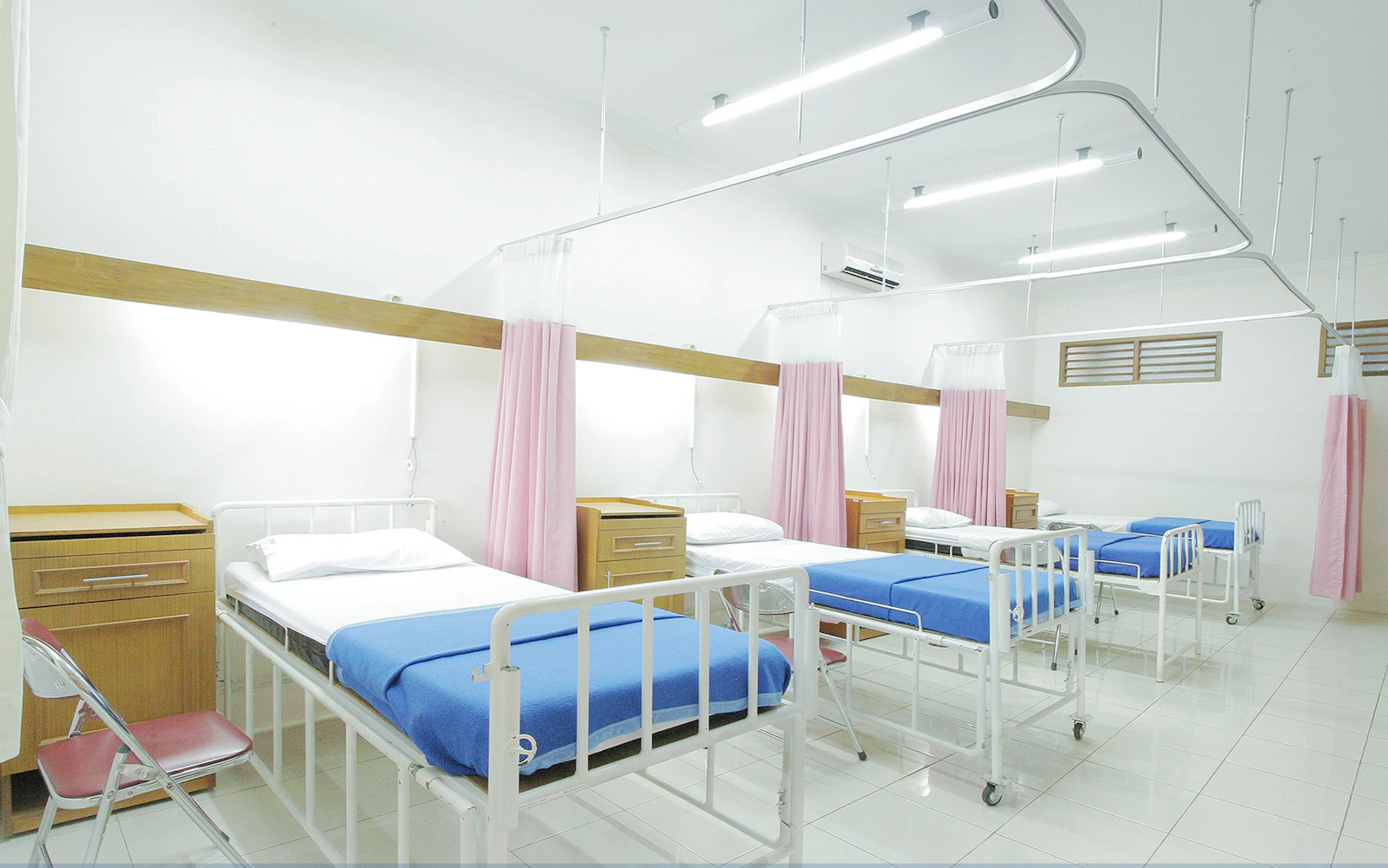
Linen that has to come back hygienically clean, every time.
The laundry challenge
Soiled linen can carry blood, body fluids, and incontinence soil. Hot-water washing is commonly done at 160°F (71°C) or higher for at least 25 minutes; lower-temperature cycles can work when they use chemicals made for them at the right concentration. Senior living adds residents' personal clothing, which needs gentler handling.
What matters in the machine
Formulas that hold a bath at a set temperature for a set time, or follow the chemical program, without operator shortcuts. Separation of soiled and clean work where the building allows it. Gentle formulas and lower extraction for personal items.
Suggested equipment type
Barrier (pass-through) washers for hospital laundries with separate soiled and clean rooms. Soft-mount washer-extractors for senior living and clinic laundries, with documented formulas for each type of goods.
A-03 / Fire departments, EMS agencies
Fire and EMS
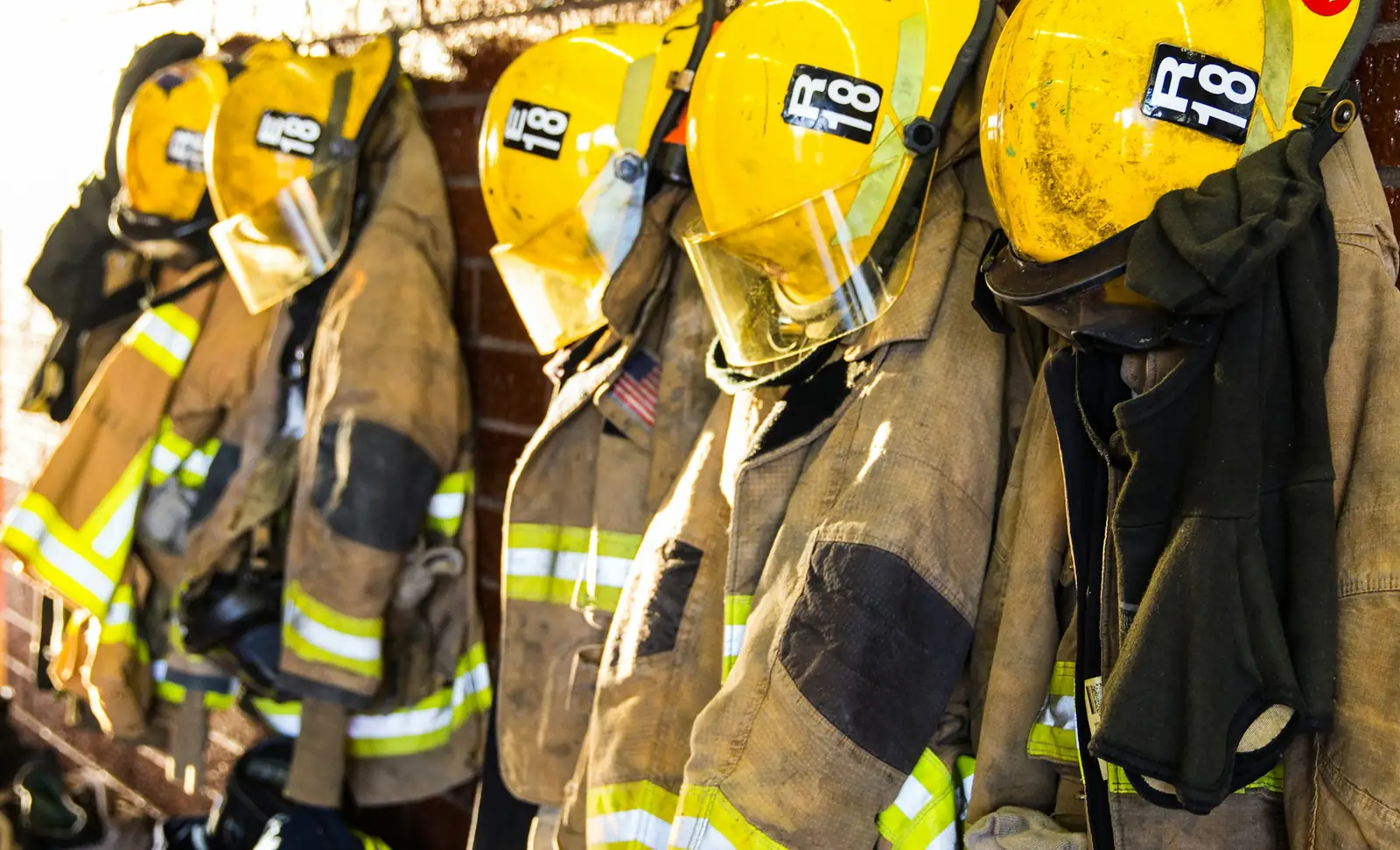
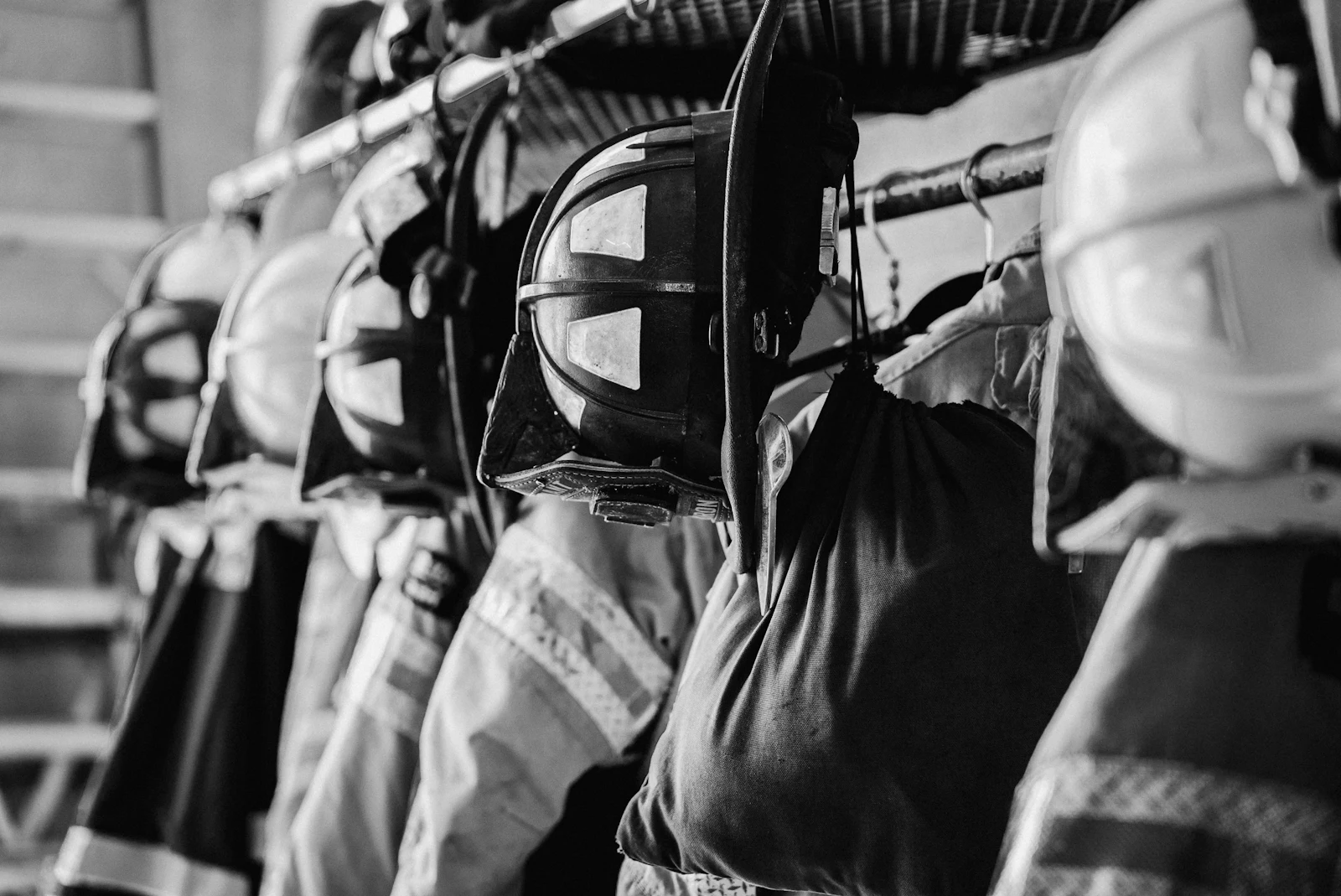
Turnout gear cleaned without damaging the layers that protect the firefighter.
The laundry challenge
Gear comes back from fires contaminated with soot and combustion products. An ensemble has an outer shell, a moisture barrier, and a thermal liner, and too much G-force, the wrong temperature, or the wrong chemistry can damage them. Care is governed by NFPA 1850, the current standard for the selection, care, and maintenance of structural firefighting ensembles, which replaced NFPA 1851.
What matters in the machine
A front-loading washer-extractor with programmable extraction that can be held to 100 G, the limit set under NFPA 1851 and carried into published summaries of NFPA 1850. Top-loading machines are not used. Formulas follow the gear manufacturer's care instructions, and gear is kept apart from other laundry.
Suggested equipment type
A soft-mount or hard-mount washer-extractor with a programmable G-force limit, dedicated to gear. Larger departments that separate dirty and clean areas can consider a barrier washer.
Check the current edition of NFPA 1850 and the gear manufacturer's instructions before setting temperatures, chemistry, or extraction speeds.
A-04 / Self-service, apartments, dormitories
Laundromats and multi-housing
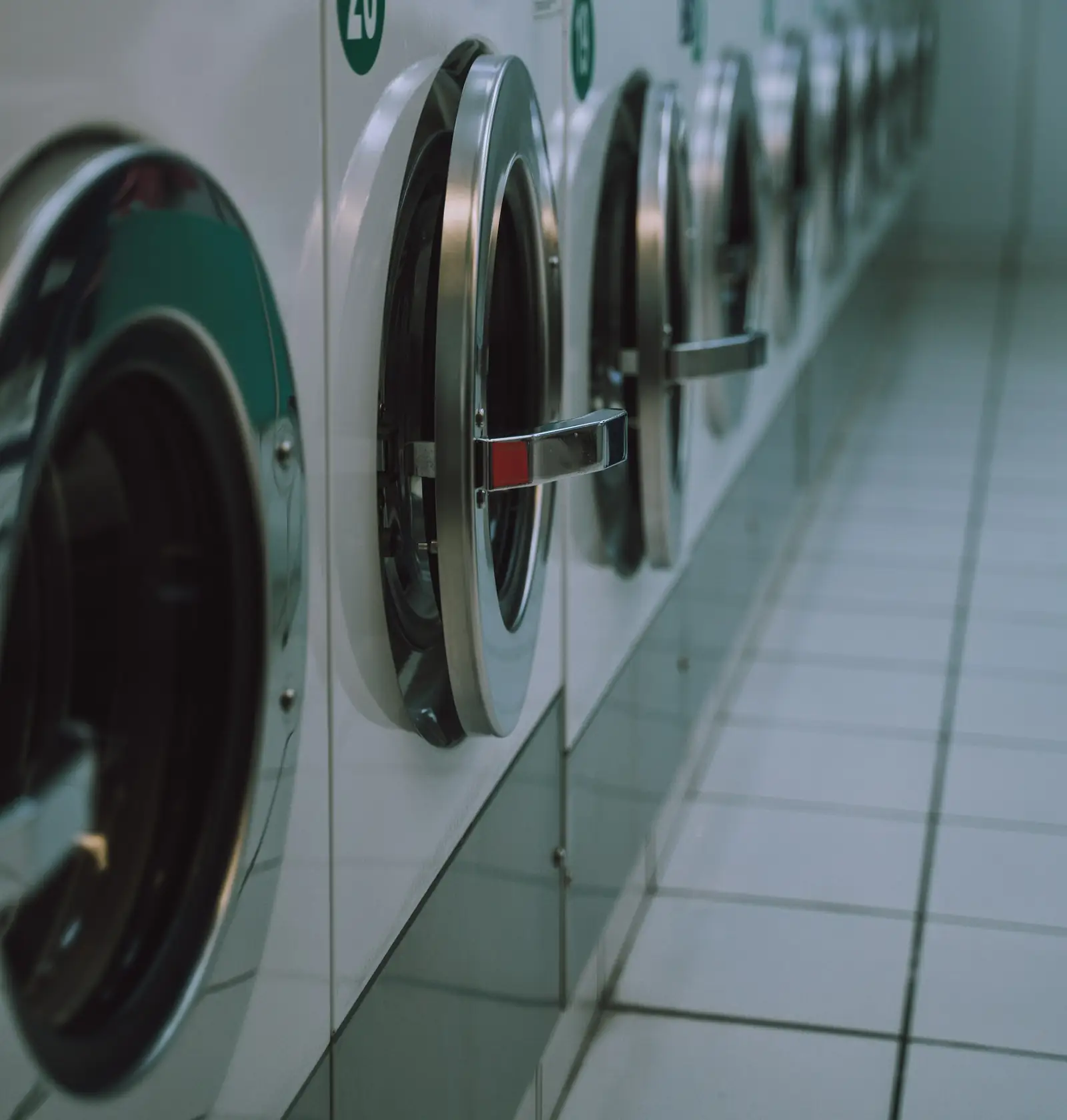
Machines that customers run all day, mostly unattended.
The laundry challenge
Long hours, every kind of load, and operators who have never read a manual. In apartment and dormitory laundry rooms, machines may sit on upper floors or next to living space, where vibration and noise travel.
What matters in the machine
Durability and simple controls. Strong extraction, because customers pay for dryer time too. Low vibration in shared buildings. Parts that a technician can reach quickly when a machine is out of service.
Suggested equipment type
Soft-mount washer-extractors in a mix of capacities, so single loads and bulky items both have a machine that fits.
A-05 / Schools, teams, gyms, clubs
Athletics and fitness
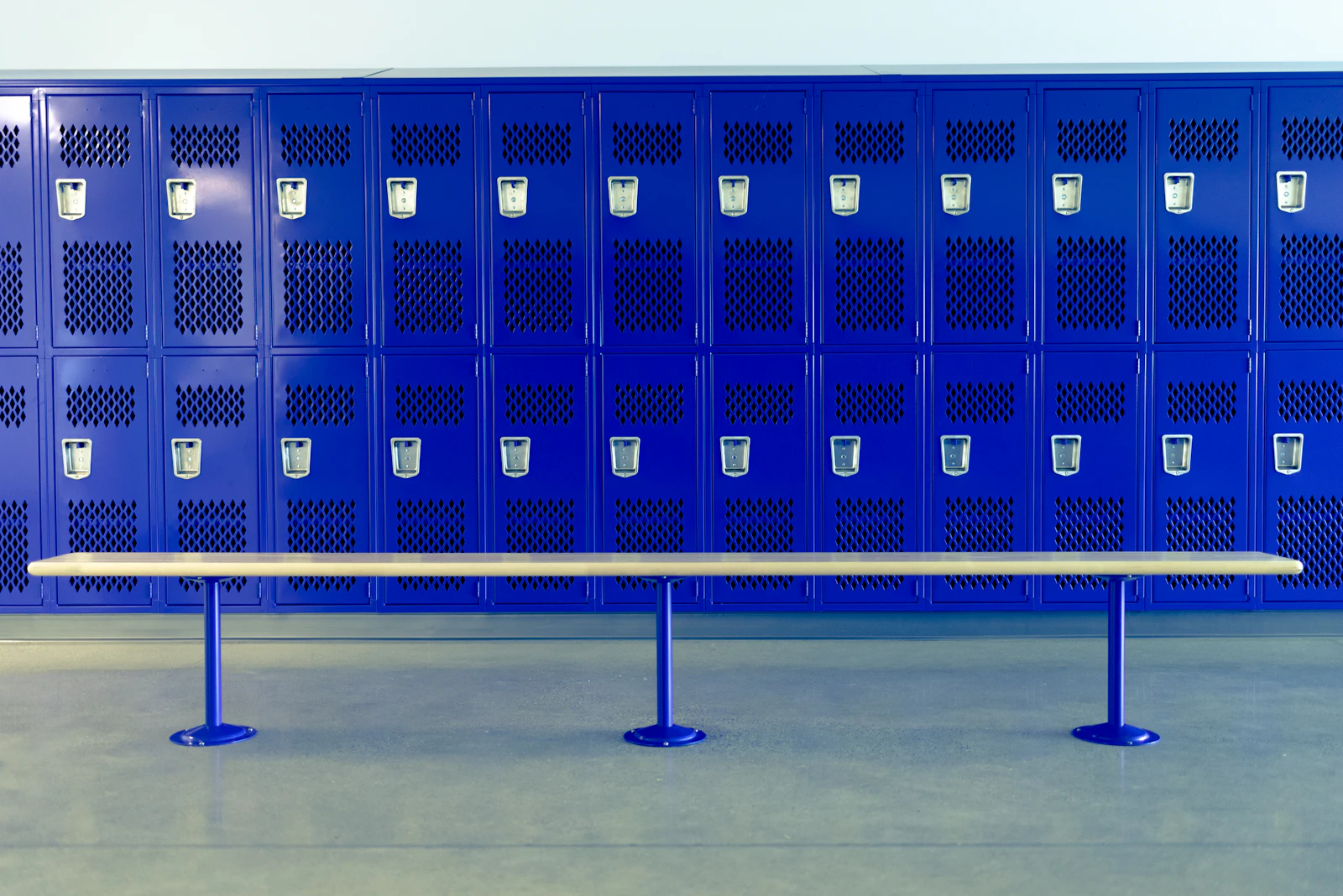
Towels and uniforms in heavy, wet loads, often turned around overnight.
The laundry challenge
Sweat, odor, grass, and field stains. Terry towels need hot water and hard extraction, while synthetic performance fabrics and printed uniforms need lower temperatures and gentler handling. Laundry often has to be ready by the next morning.
What matters in the machine
Separate formulas for towels and uniforms, with programmable temperatures and extraction speeds. Enough capacity for the post-game peak without overloading a single machine.
Suggested equipment type
Soft-mount washer-extractors. Two or more machines let towels and uniforms run in separate loads at the same time.
A-06 / Plants, uniform programs, shop towels
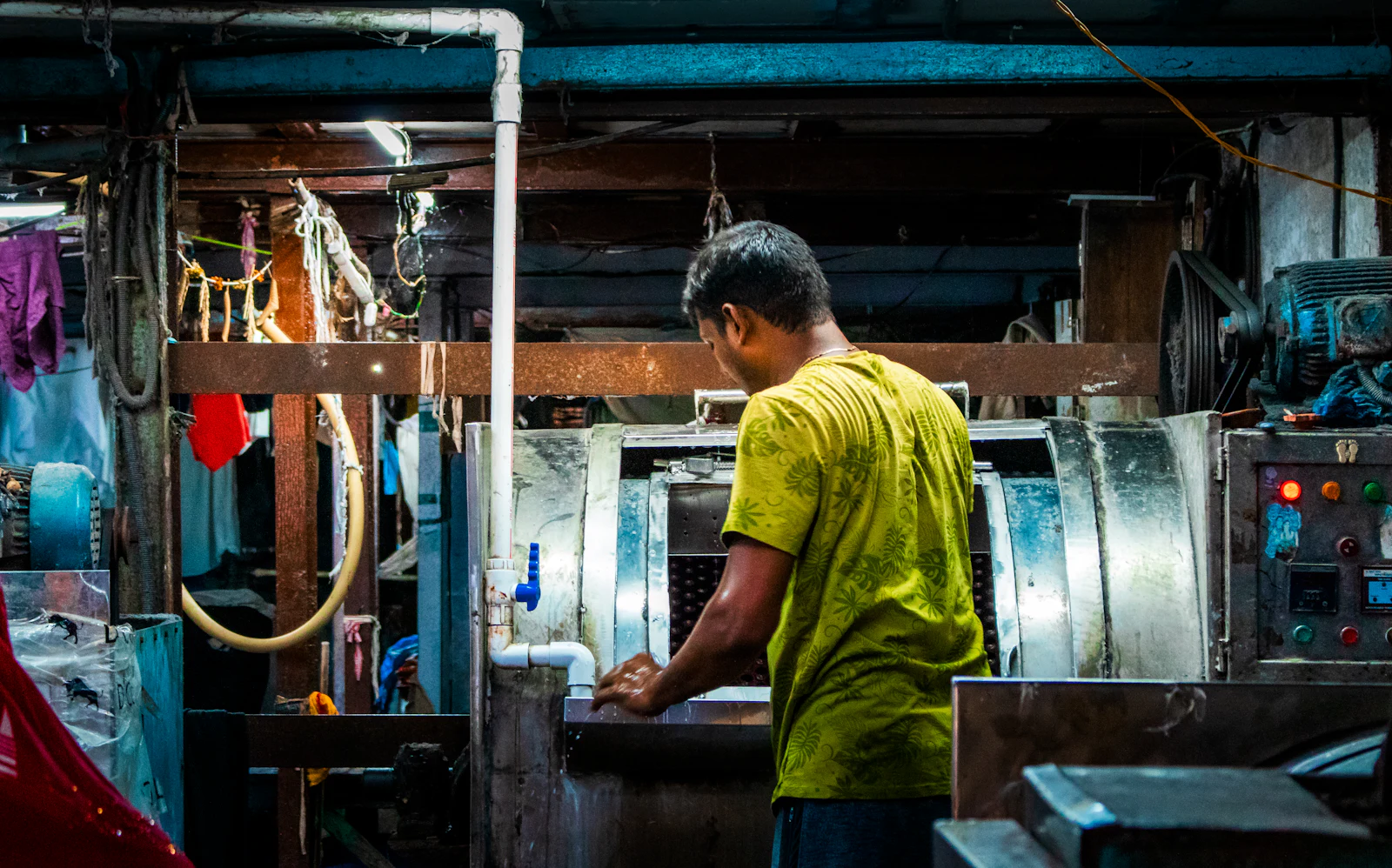
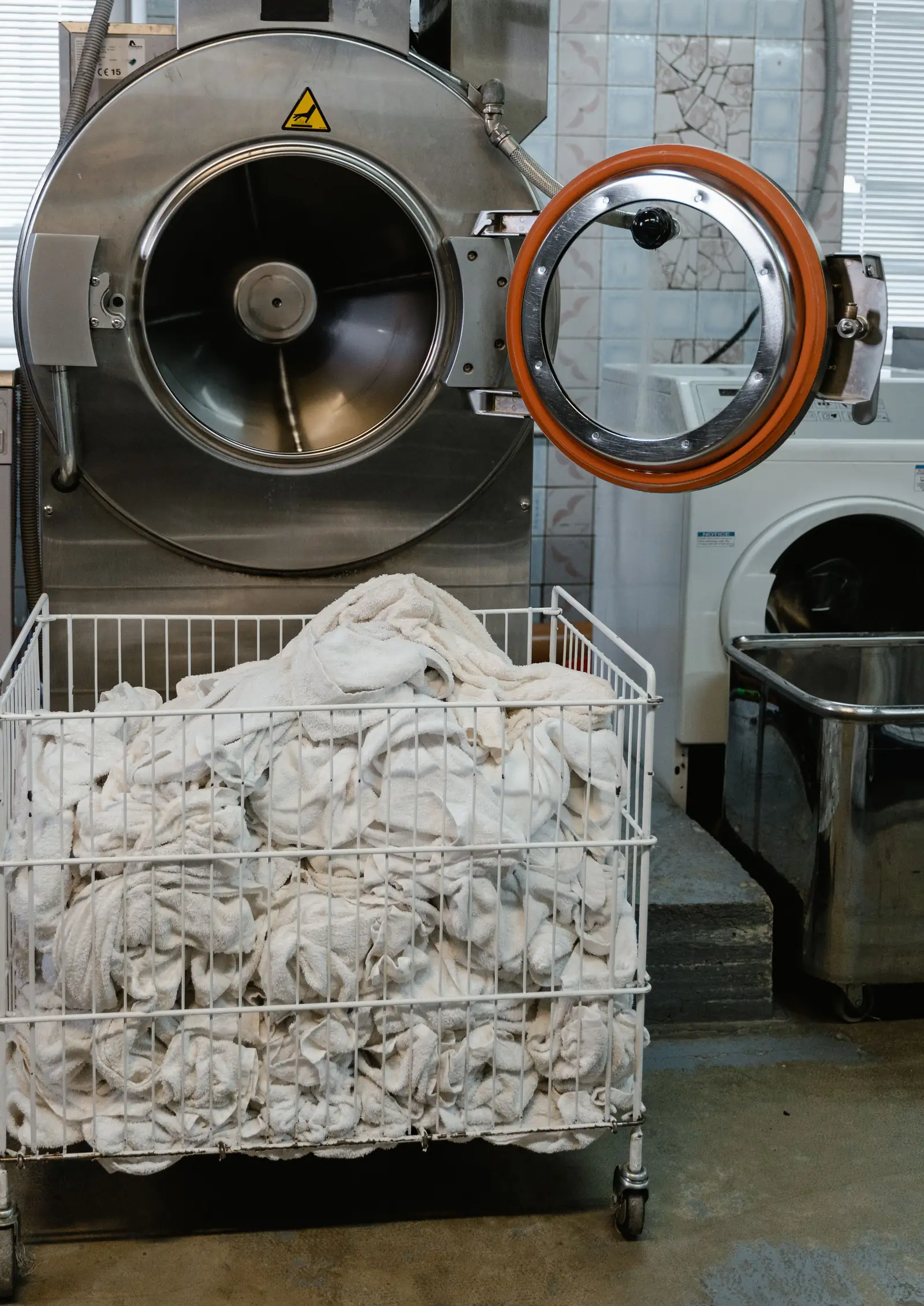
Industrial and uniform laundries
Heavy soil, heavy loads, and long shifts.
The laundry challenge
Oil, grease, metal fines, and shop dirt. Large daily volumes over long or multiple shifts. Wastewater carries lint and solids that the drain system has to catch before they reach the sewer.
What matters in the machine
Large capacity and rugged construction. Formulas and dosing for heavy soil, with enough rinses to carry it away. A drain arrangement that handles high flow and feeds a lint and solids interceptor.
Suggested equipment type
Hard-mount washer-extractors on reinforced concrete for ground-level plants, or soft-mount machines where a foundation is not practical and drying time is the constraint.
Not on this list?
Restaurants, salons, kennels, and cleanrooms run laundries too. Describe the goods and the soil, and we will reply by email.
contact@freshlinewashers.com