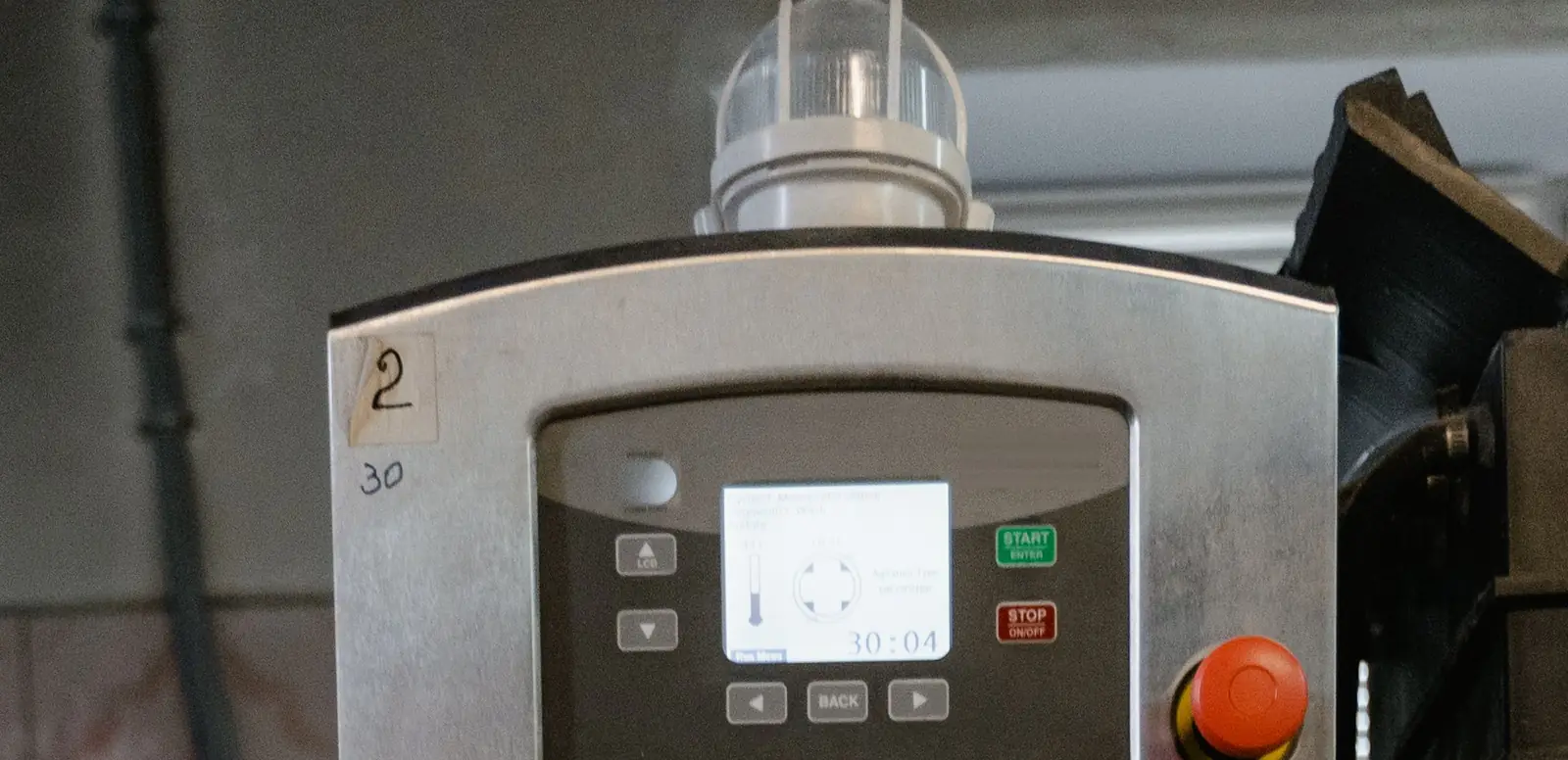
Keep it running
A washer-extractor is only as good as its first day and its maintenance log. Here is what startup covers, what operators should know, what to check and when, and how to reach us for parts and service.
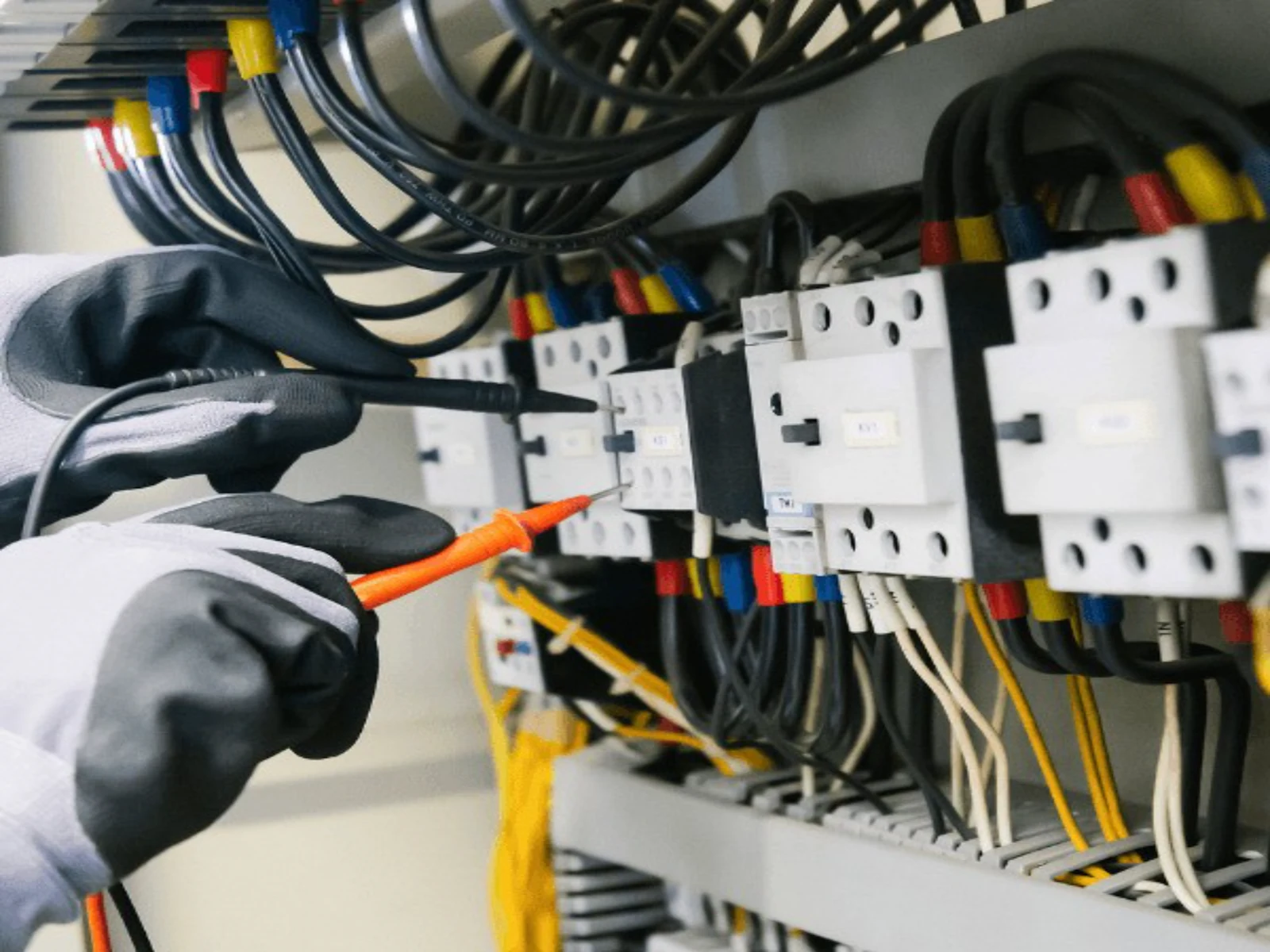
The first cycle is a test.
Before a machine washes its first load of goods, it should prove that the installation, the safety systems, and the formulas all work.
- Utilities
- Voltage and phase match the nameplate; water pressure within range; drain flows freely; hoses and shutoffs tight
- Mounting
- Machine level; hard-mount anchors and grout complete; soft-mount shipping restraints removed
- Safety
- Door interlock prevents starting with the door open and holds the door locked during the cycle; emergency stop works
- Test cycles
- Empty runs through fill, heat, wash, drain, distribution, and extraction, watching for leaks, noise, and vibration
- Formulas
- Wash formulas and dosing signals set and checked with the chemical supplier
- Records
- Settings, formula list, and the maintenance schedule handed over in writing
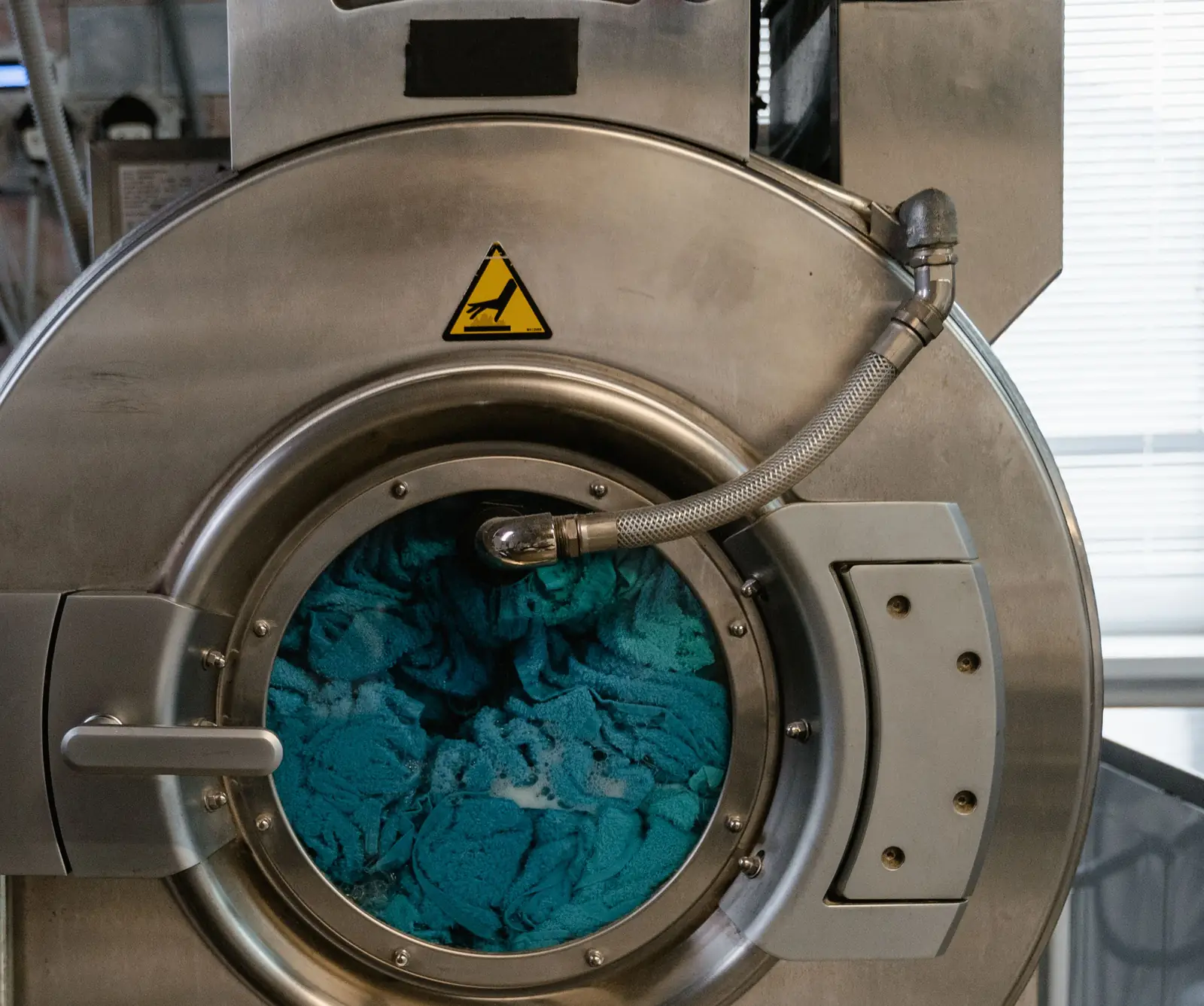
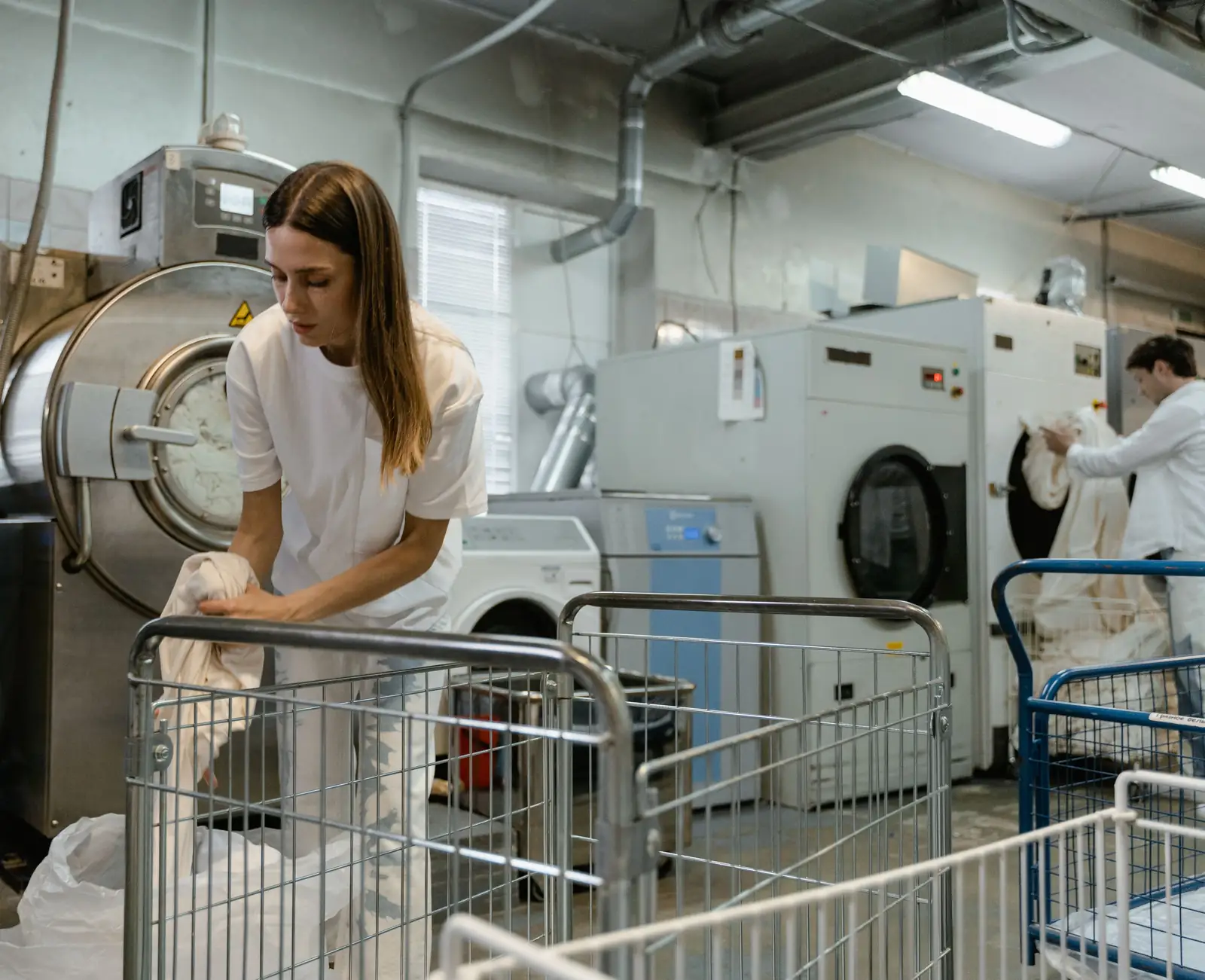
What every operator should know.
-
Loading by dry weight
Capacity is rated by the dry weight of the goods. Overloading hurts the wash; small loads waste water and can upset the balance in extraction.
-
Sorting and formulas
Sort by goods and soil, then pick the formula written for that sort. Do not change formulas on the fly.
-
Safety controls
Where the emergency stop is, how the door interlock behaves, and why no one reaches into a drum that is turning.
-
Messages and faults
What the common controller messages mean, what to do about an out-of-balance stop, and when to call for service.
-
Chemical safety
Reading the supplier's safety data sheets, handling containers, and reporting leaks at the pumps.
Daily, weekly, monthly, quarterly.
General best practice, drawn from the maintenance sections of published washer-extractor manuals. Your machine's manual sets the actual tasks and intervals.
| Interval | Tasks | Who |
|---|---|---|
| Daily |
| Operator |
| Weekly |
| OperatorSupervisor |
| Monthly |
| Technician |
| Quarterly |
| Technician |
| Twice a year |
| Technician |
| Yearly |
| Technician |
Request parts and service by email.
One address handles parts, service, and technical questions. The more of this you include, the faster we can answer.
- Nameplate
- A photo of the machine's nameplate, with the serial number
- What happened
- The symptom, when it started, and which step of the cycle it happens in
- Messages
- Any text or code on the controller display
- Photos
- Photos or a short video of the problem, the part, or the leak
- Conditions
- Recent changes to water, power, chemistry, or loading
- Urgency
- Whether the machine is down, and how many others are running